What Is a Type Beat and How Do You Use One Legally
Want articles like this for your own video to promote it on YouTube and Google? Order them through the Telegram bot @sat_sit_bot. Articles with your video embedded are written and posted by the bot itself — on popular topical sites (no ads). Try it free: 50 articles on us.
· based on the channel STORM
Key takeaways
- A type beat is an original instrumental built in the style of a specific artist or subgenre, not a copy of an existing song.
- Free tagged versions are for non-profit use only: YouTube or SoundCloud uploads with no monetization, no Spotify or Apple Music.
- Untagged files sold through BeatStars come with a license that permits profit use, usually with a lease term and a stream cap.
- STORM's "TENSION" is a hard trap type beat published on 15 September 2026 with a free tagged download and a paid untagged version.
- Buy 1 Get 1 Free applies to all beats in the STORM catalog on BeatStars.
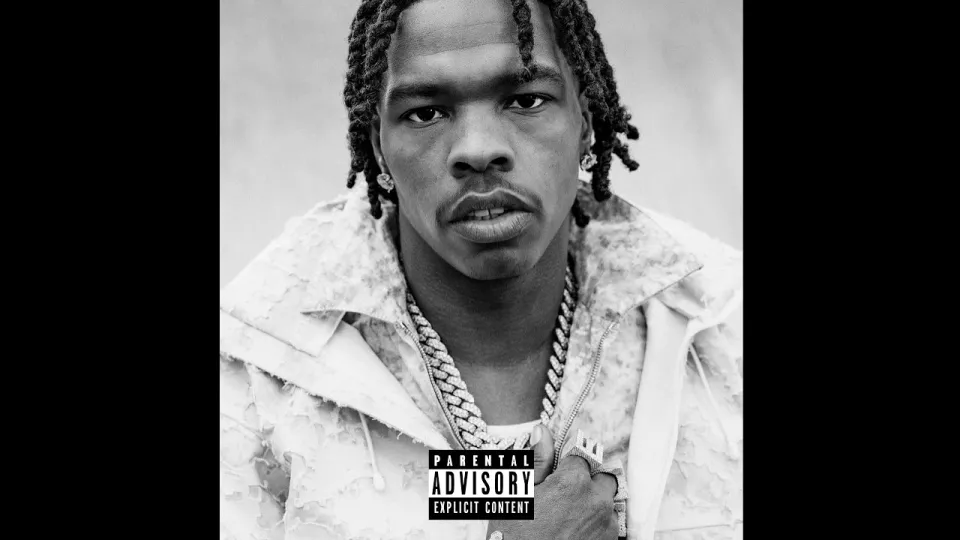
A type beat is an original instrumental produced in the style of a particular artist, subgenre or era, sold or given away so that rappers and singers can write and record over it. It is not a copy of an existing song and it does not contain the original artist's vocals — it is a new composition that imitates a recognizable sound. If you want to hear one in practice, STORM's hard trap instrumental "TENSION" (free tagged download) is a working example of the format: a dark, aggressive beat built for freestyling and punchline-driven rap.
The term covers everything from a beat that sounds like a specific rapper's recent album to a broader tag like "hard type beat" or "freestyle type beat" that describes a mood rather than a person. The mechanics — free tagged files, paid untagged files, lease terms, stream caps — are what actually decide whether you can release your song, and that is where most beginners get stuck.
What makes an instrumental a type beat rather than just a beat
A type beat is defined by its reference point, not by its genre alone. Producers label instrumentals with an artist name or a style tag because that is how rappers search: they look for "type beat" plus the sound they want to rap over. Two beats can share the same tempo, key and drum kit and still be filed differently, because one is pitched as a Drake-style beat and the other as a generic trap beat.
The practical consequences of that label matter more than the label itself:
- The beat is an original composition, so the producer owns the copyright in the instrumental.
- The title, tags and artwork are search metadata, not a legal claim about the referenced artist.
- The reference artist has no involvement, no royalties and no approval over your song.
- The producer can sell the same instrumental to many artists under non-exclusive leases.
A "hard type beat" usually signals distorted 808s, minor-key melodies, punchy kicks and a tempo range that suits aggressive delivery. A "freestyle beat" signals a loop that leaves enough space for long, unbroken verses. STORM's "TENSION" is tagged with both, which is why it appears in searches for hard type beats, freestyle trap beats and free rap instrumentals at the same time.
Free download versus untagged purchase
The single most important distinction in type beat culture is tagged versus untagged, because it decides what you are allowed to do with the recording.
A free download is the tagged version. The producer's voice tag drops over the instrumental at intervals, and the file is licensed for non-profit use only. In STORM's case the free version is available to subscribers and permits YouTube or SoundCloud uploads with no monetization. It explicitly does not permit distribution to streaming services such as Spotify or Apple Music, and it cannot be monetized.
An untagged purchase is the paid version. You receive a clean instrumental file and a license that allows commercial release, typically as a lease with a defined term, a distribution limit and a stream cap. The untagged file is the one you upload to distributors when you want the song on streaming platforms.
A simple decision path:
- Posting a freestyle video to YouTube with no ads and no streaming release: the free tagged version is enough.
- Releasing a single to Spotify, Apple Music, Amazon Music or Deezer: buy the untagged lease first.
- Signing the song to a label or syncing it to video: negotiate an exclusive or a broader license with the producer directly.
Skipping that step is the most common mistake in the niche. A track built on a tagged free beat will either be rejected by a distributor or flagged later, and the tag itself makes the recording unusable for a commercial release.
How licensing works when you buy a type beat
A type beat license is a contract between you and the producer, and its terms are what separate a legal release from a takedown. Most independent producers sell non-exclusive leases, which means the same beat stays available to other artists.
What a standard lease covers:
- The right to record, reproduce and distribute your song over the instrumental.
- A distribution cap, often expressed as a maximum number of copies, streams or paid downloads.
- A term, for example a set number of years or a perpetual license depending on the tier.
- A revenue split, usually a percentage of the song's earnings going to the producer.
- Credit requirements, such as naming the producer in the title or description.
What it does not cover: exclusive ownership, the right to resell the instrumental on its own, or the right to register the beat itself as your composition. If you need exclusivity, expect a separate exclusive license at a much higher price, and expect the beat to be removed from sale once the deal is signed.
STORM sells through BeatStars, where licenses are generated automatically at checkout and the terms are displayed before payment. The store also runs a Buy 1 Get 1 Free offer across the catalog, which effectively halves the cost per beat if you are building a project rather than a single.
How to record over a hard trap type beat
Recording over a hard trap beat is mostly about arrangement discipline, because the instrumental is already dense. "TENSION" sits in the aggressive end of the trap spectrum, so the vocal has to cut through distorted low end rather than compete with it.
A workable process:
- Import the instrumental into your DAW and set the project tempo to match the beat exactly.
- Write to the loop first and map your structure — intro, verse, hook, verse, hook, outro — before you track anything.
- Record with headphones, never with speakers, so the beat does not bleed into the microphone.
- High-pass your vocal around 80–100 Hz and carve a narrow dip where the 808 sits, usually between 60 and 100 Hz.
- Compress the vocal in two stages rather than one heavy pass, then add saturation for presence.
- Check the mix in mono and on a phone speaker before you commit to a final bounce.
If you are freestyling rather than writing, loop the beat for ten to fifteen minutes and record everything, then keep the best two takes. The tag on a free version will not be in the paid file, so do not build a release around a tagged recording.
Common questions from artists using free beats
Beginners tend to hit the same three walls: whether the beat is really free, whether their song can be monetized, and whether anyone will take their upload seriously.
On the first point, "free" in type beat culture almost always means free for non-profit use. The producer keeps the copyright and gives you a limited permission, not ownership. On the second, monetization requires the untagged license — ads, streaming royalties and brand deals all count as commercial use. On the third, the answer is craft: a strong performance over a well-chosen beat is what earns attention, not the beat's price tag.
It also helps to treat the beat as a collaborator rather than a backdrop. Producers who hear a finished song that fits their instrumental are far more likely to respond to license questions, offer stems or work with you again. That relationship is worth more than the few dollars saved by using a tagged file.
Useful links
Final thoughts on type beats
A type beat is a ready-made instrumental with a built-in audience: it is labeled so that the right rapper finds it, and licensed so that the producer keeps control of the copyright. The workflow is straightforward once you separate the two versions — free tagged for practice and non-monetized uploads, paid untagged for anything that earns money or reaches streaming platforms. STORM's "TENSION" follows that model exactly: a hard trap instrumental published on 15 September 2026, offered as a free tagged download for subscribers and as an untagged purchase for commercial use, with Buy 1 Get 1 Free across the catalog. Pick the license that matches your release plan, credit the producer, and treat the beat as the start of a working relationship rather than a one-off file. The channel STORM built this breakdown around is a useful reference point for how modern trap type beats are packaged and sold.
Questions & answers
Can I upload a song on a free type beat to Spotify?
No, not with the free tagged version. Free downloads are licensed for non-profit use only, which in STORM's terms means YouTube or SoundCloud uploads without monetization. Streaming services such as Spotify and Apple Music require the untagged, paid license. Distributors will also reject a release that still contains the producer's voice tag.
Do I own the beat after buying a type beat license?
No. A standard lease gives you the right to record, distribute and monetize your song over the instrumental for a limited term and within a set distribution or stream cap. The producer retains the copyright and can keep selling the same beat to other artists. Exclusive ownership requires a separate exclusive license.
How do I know if a beat fits my voice before I pay for it?
Download the free tagged version first and record a test verse over it. If the tempo feels comfortable and your vocal sits above the 808 without fighting it, the beat works for you. Then buy the untagged file and re-record or re-bounce using the clean instrumental.
Is it worth buying beats when so many free ones exist?
It depends on the release. For practice, freestyles and non-monetized videos, free tagged beats are fine and cost nothing. The moment you want ads, streaming royalties or a paid release, the untagged license pays for itself, because a takedown or a rejected distribution costs more than the lease.
Source: TRAP TYPE BEAT - "TENSION" | FREESTYLE BEAT | HARD TYPE BEAT | FREE RAP INSTRUMENTAL 2026 · Markdown version